Pubs and restaurants: the EV charging vertical hospitality keeps ignoring
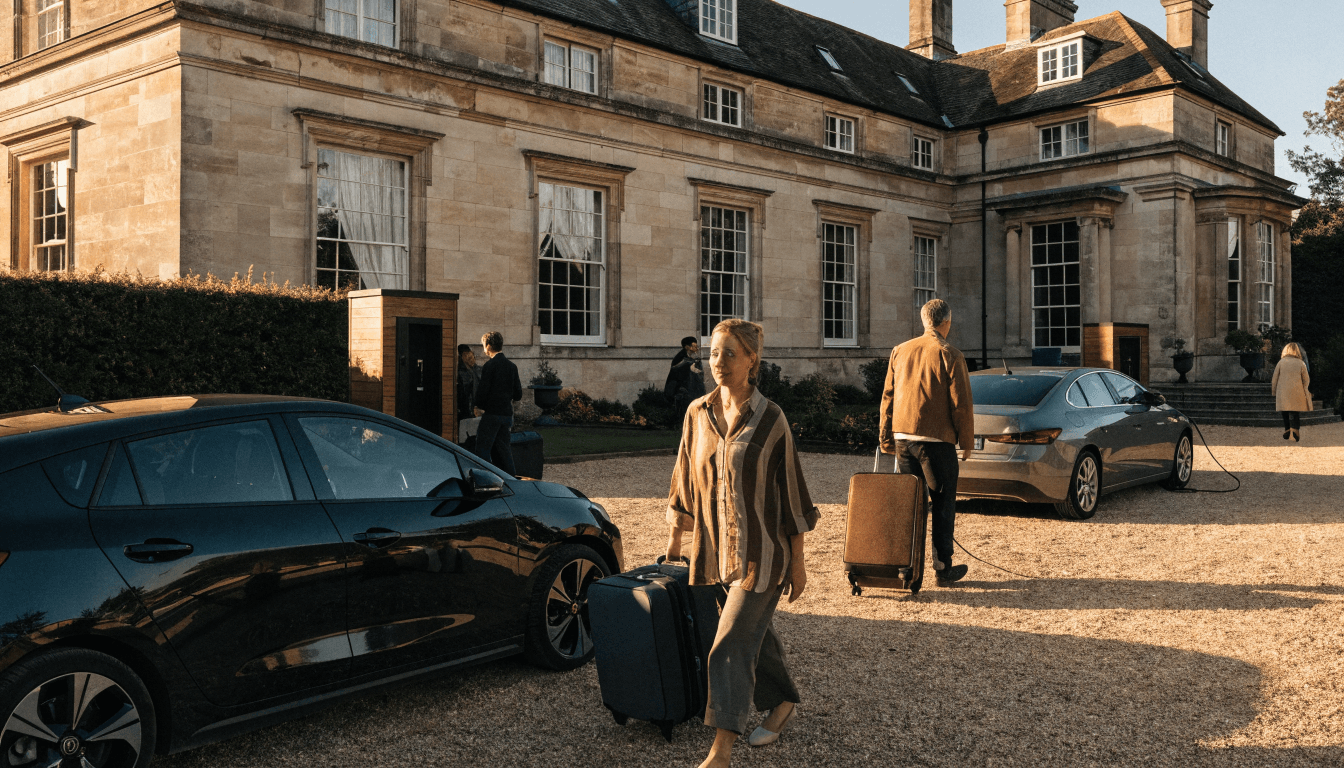
The country pub with a charging post is the destination of choice for the 2026 EV-driving Sunday lunch crowd. The one without it is now the second choice. The maths is uncomfortable for landlords who haven't done it.
There are roughly 47,000 pubs and 87,000 restaurants in the UK. There are over 2 million EVs on the road, and around one in four new cars sold this year is electric. The number of pubs and restaurants that have actually installed EV charging? Vanishingly small. The number that should have? Most of them.
This isn't a hotel piece. Hotel charging is a solved (and well-funded) commercial question. Pub and restaurant charging has different maths, different dwell times, and a different customer behaviour — and that's why it remains one of the most under-played destination-charging verticals in the UK in 2026.
Why the hotel playbook doesn't translate
The hotel maths is roughly: guest checks in around 5pm, plugs in, charges overnight at 7-22kW, unplugs at 9am, drives away. Twelve to fifteen hours of dwell. A single 22kW post can serve one car per overnight cycle.
A Sunday lunch sitting is 90 minutes. A midweek dinner is two hours. A coffee-and-cake mid-morning visit is 45 minutes. None of those are enough to fully charge an EV on a slow charger. So pub charging has to either:
- Use 22kW or higher to deliver a meaningful top-up in the dwell window, or
- Lean on the destination-discovery effect — "we've got chargers" appearing in ZapMap and Google Maps pulls EV-driving customers from a 6–30 minute radius, regardless of whether they top up much during the visit.
For most pubs and restaurants, option 2 is the bigger win. The charge revenue is a rounding error. The footfall and incremental food-and-drink spend isn't.
Free download
Retail Park Charger P&L
Two 50kW DC chargers, full P&L through year two, tariff strategy, idle fee defence.
The three pub-charger archetypes
After surveying installs across the UK hospitality sector, we see three clean models:
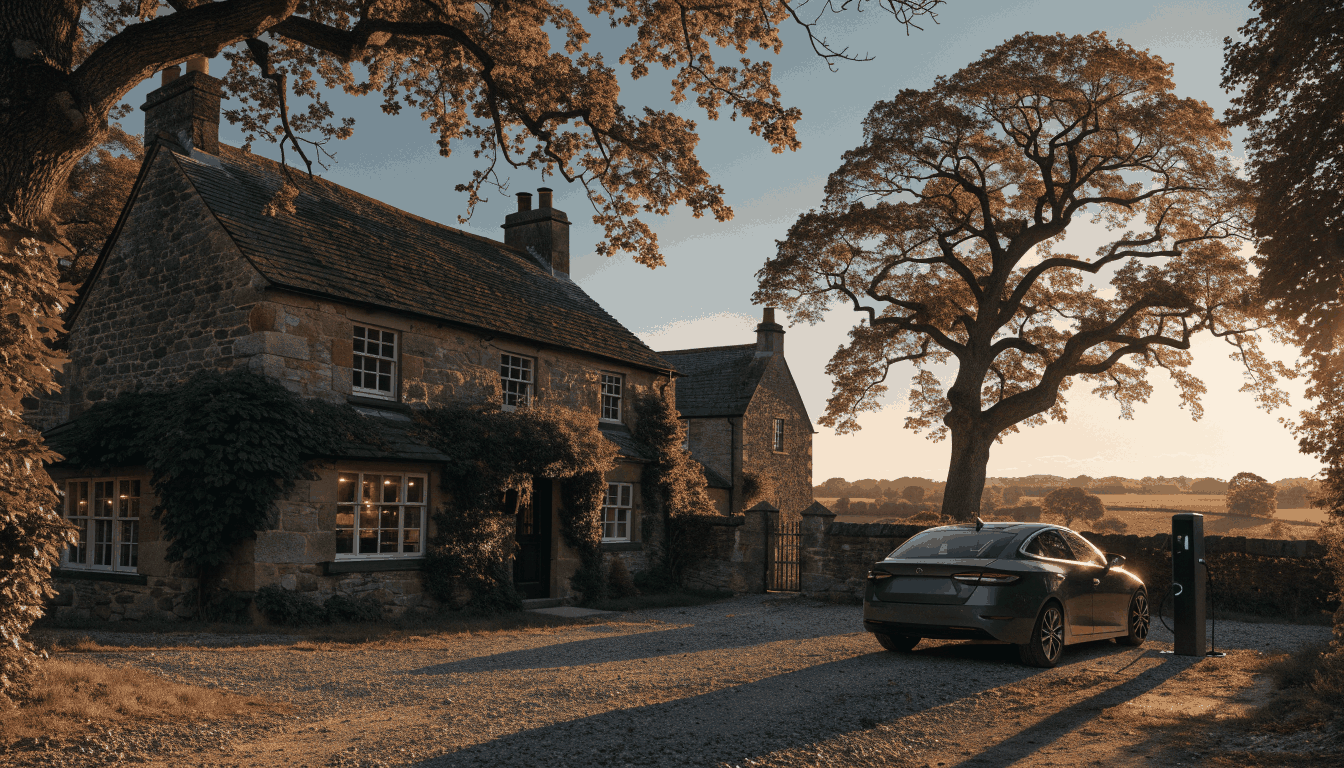
1. The country pub destination. Off-grid-feeling village location, big car park, Sunday lunch and Friday-night dinner peaks. Best fit: 2 × 22kW twin AC posts at £8,000–£12,000 installed (after WCS grant of £500/socket × 4 = £2,000). The pub becomes the visible EV destination for a 15-mile rural radius. Booking-system integration optional but powerful — "park, plug, table reserved for 7:30."
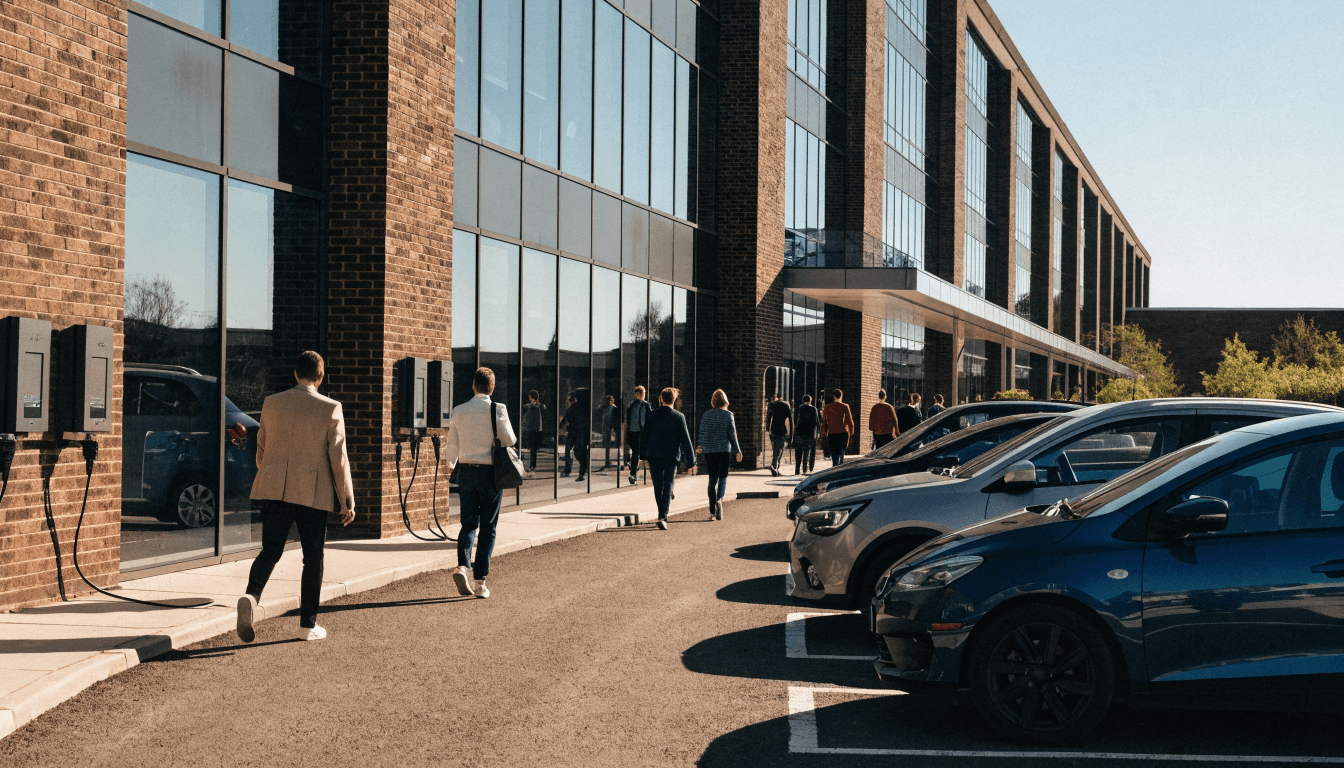
2. The town-centre restaurant with car park. Lunch service for office workers, evening service for couples and groups. Best fit: 1 × 22kW twin or contactless 50kW DC for the urgent-charge crowd. Higher-density turnover, faster-charging more useful. Tariff model: paid per kWh, possibly free or discounted if dining.
3. The pub-chain forecourt. Roadside locations, car-park footprint, multi-county traveller crossover. Best fit: 2-4 × 50kW DC hub treated as a commercial charging revenue centre. Branded prominently. The food and drink uplift is real but secondary to the charging margin.
The economics nobody runs
For an independent country pub on archetype 1, the back-of-envelope:
- Install cost: ~£10,000 after WCS grant
- Annual incremental EV-driving customers (conservative): 4 covers per week extra, 50 weeks/year = 200 covers
- Average pub spend per cover: £35 food + drink
- Incremental revenue: £7,000/year
- Net profit (after food cost, ~35% GP margin on uplift): £2,450/year
- Charging margin (modest, 1,500 kWh/yr sold at 15p/kWh markup): £225/year
- Total Y1 net benefit: ~£2,675
- Payback on net £10k install: roughly 3.7 years
Compare that to a £10k refurbishment of the snug. Which one extends your customer base and lifts repeat visits more reliably? It isn't close.
What about who pays for the electricity?
This is the question that paralyses pub landlords. Three models:
- Free while dining — perk for booked guests, part of the meal experience. Cleanest brand. Costs you ~£3-5 per session in electricity. If they spend £35 on lunch, you're up.
- Paid per kWh via app — covers your costs plus a small margin. Less generous, more sustainable for high-volume sites. Best for archetype 2.
- Hybrid: free for diners, paid for casual — the contactless terminal handles non-diners. Best of both. Requires a contactless-capable charger.
A real-ish worked example
The Black Bull, Yorkshire Dales. 40-cover country gastropub. Big car park. Currently zero EV charging.
Install: 2 × 22kW twin posts. Install cost £10,500 inc. civils. WCS grant: £2,000. Net cost: £8,500.
Marketing kicker: Listed on ZapMap, Google Maps EV layer, and the pub's own website with "Charge while you dine." Picked up by the EV-driving Sunday-lunch crowd within 4 weeks of listing.
Year-one impact:
- Average 5 incremental EV-driving covers per Sunday = 260 covers
- Plus 8 incremental midweek covers per week = 416 covers
- Total incremental: ~676 covers × £38 avg = £25,688 incremental revenue
- At 35% gross profit margin: ~£8,990 incremental gross profit
- Charging gross margin (modest sales): ~£300/year
- Year 1 net benefit: ~£9,290
- Payback on £8,500 net install: ~11 months
The numbers aren't outlandish. They're what happens when you install something the fastest-growing customer segment is actively searching for, on a site that previously wasn't on their map.
What to ask before you install
- "What's the WCS award I qualify for, and will you handle the application?"
- "Are the posts contactless-payment-enabled so non-diners can charge too?"
- "What's the load impact on my existing supply — do I need a three-phase upgrade?"
- "How is the install marketed afterwards — listings, Google Maps, signage?"
- "What's the maintenance contract, and what uptime do you commit to?"
The short version
Pub and restaurant EV charging is genuinely under-played in 2026. The dwell times don't suit hotel-style overnight charging, but the destination effect — being the venue EV drivers actively search for — is real, measurable, and currently uncontested in most postcodes. WCS pays £500 per socket. A typical country pub install pays back in under a year on incremental covers alone.
Want us to model it for your venue? Run your postcode through our charger revenue calculator and we'll come back with a site-specific revenue model in five working days.
Energy Partners
Energy Partners — commercial energy specialists for UK businesses.